
Stocks
What is a stock?
A share makes you a part-owner of a business. Here is what that ownership includes, what it does not, and why prices move both ways.
Independent investing education · No ads · No affiliate links · Not financial advice
A stock is a slice of ownership in a company.
Stocks
A share makes you a part-owner of a business. Here is what that ownership includes, what it does not, and why prices move both ways.
Stocks
5 min read
7 min read
6 min read
8 published

Stocks
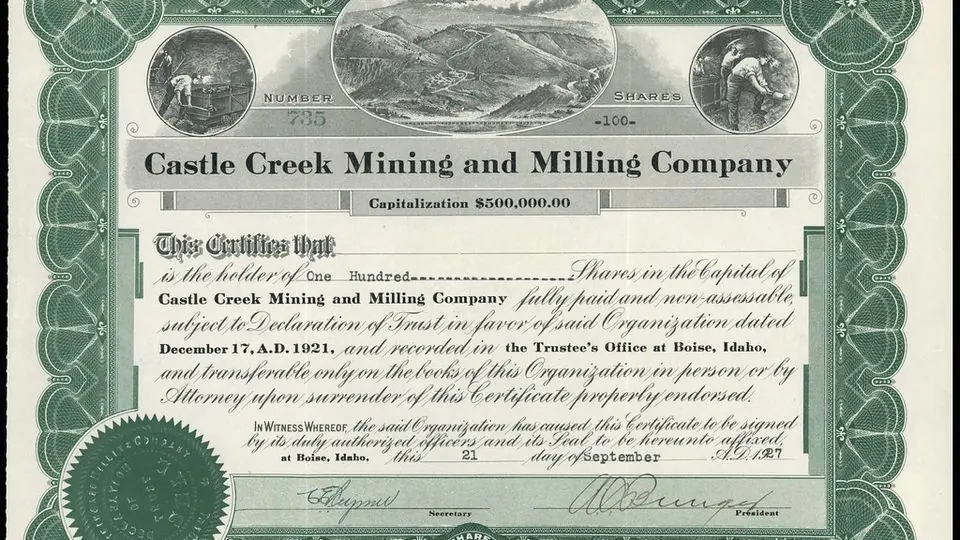
Most of the time you are not buying from the company at all. You are buying from another investor, through a broker, at a price set by the bid and the ask.
Stocks
Both are shares of ownership, but they make a different deal with you. Common stock offers votes and open-ended upside; preferred stock offers a place ahead in the dividend line.

Stocks
A dividend is part of a company's profit paid out to shareholders. Whether you get it depends on one date, and what it is worth depends on the price you paid.

Stocks
The P/E ratio tells you how many dollars investors are paying for each dollar of a company's yearly profit. It is a starting point for comparison, not a verdict.
Stocks
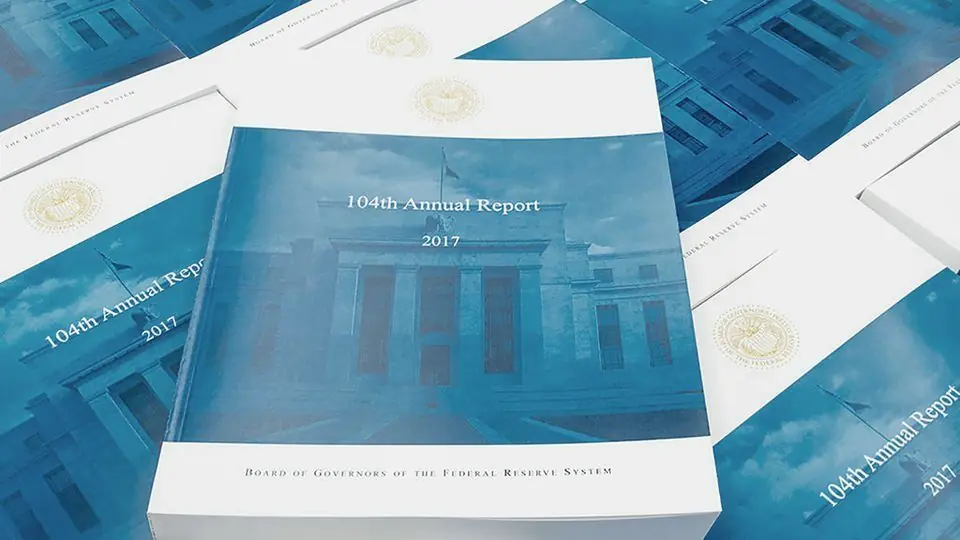
Three statements tell most of a company's financial story: what it earned, what it owns and owes, and where its cash actually went. Here is how to read each one.

Stocks
Both change the number of shares a company has. A split slices the same company into more pieces; a buyback uses company cash to take pieces off the market.

Stocks
"Growth" and "value" sound like opinions, but index providers turn them into formulas. Here is what they measure, how the sorting works, and what the labels do not tell you.
A stock is a slice of ownership in a company. That one idea explains most of what follows: why share prices move, why some companies pay dividends and others do not, and why the reports a company files with regulators matter to the people who own it. The guides in this section build on each other. They start with what a share is and how the market matches buyers and sellers, then move to the numbers investors read most often, such as dividends, the price-to-earnings ratio and the three main financial statements.
Every guide defines its terms the first time they appear, works through examples with simple numbers you can check yourself, and links each fact to a primary source such as the SEC's Investor.gov site or an index provider's published methodology. Nothing here tells you which stock to buy or sell, and nothing predicts where prices are heading. Stocks can lose value, including all of it, so the aim is to help you understand what you are looking at before you decide anything. If you are completely new, read the guides under "Read in this order" first, then explore the rest at your own pace.