
Personal Finance
Your first steps as a new investor
Most of the work happens before the first purchase. These are the checks U.S. regulators suggest, in order, with simple numbers to make each one concrete.
Independent investing education · No ads · No affiliate links · Not financial advice
Investing vocabulary builds on itself: a fund only makes sense once you know what a stock and a bond are, and asset allocation only makes sense once you know what a fund does. This path puts our explainers in the order we would read them ourselves if we were starting from zero.
Each stage takes an evening or two. You do not need to finish it before doing anything else, and nothing on this site tells you what to buy. The goal is that, by the end, you can read a fund document, a broker's fee schedule or a news headline about interest rates and understand what it means for you.
Stage 1 of 5
Cash buffers, debt and why time matters.
Personal Finance
Most of the work happens before the first purchase. These are the checks U.S. regulators suggest, in order, with simple numbers to make each one concrete.

Personal Finance
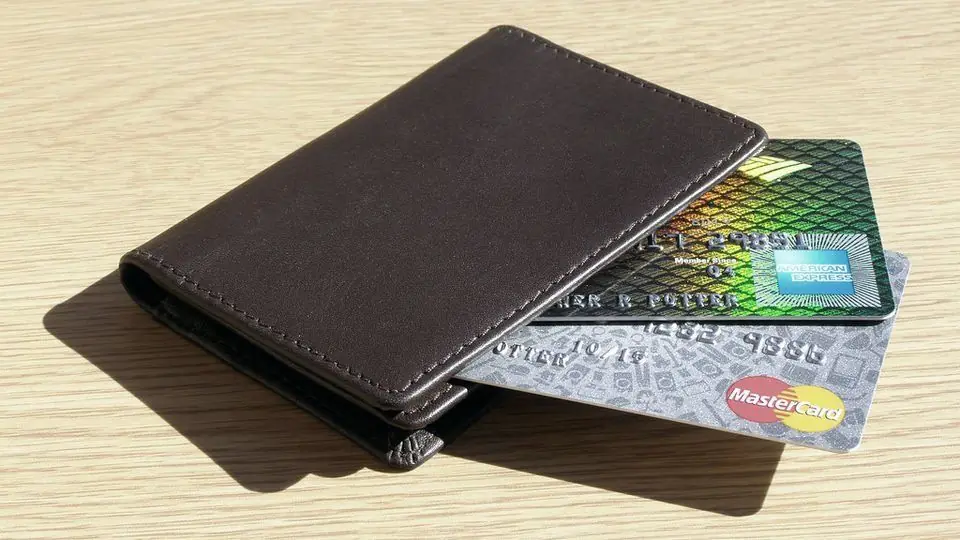
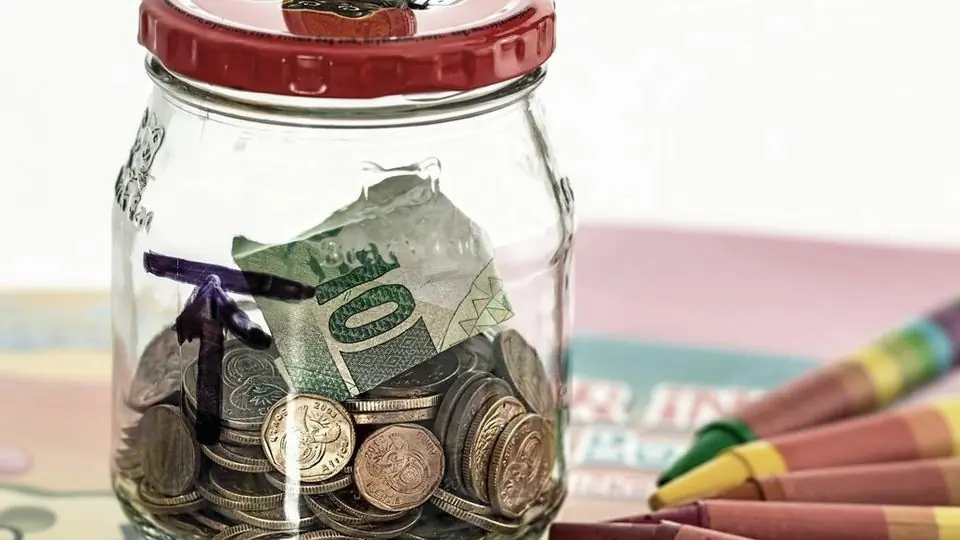
Investments can fall just when you need cash. A separate pot of safe, easy-to-reach money keeps a car repair or a lost paycheck from turning into debt or a forced sale.
Personal Finance
Every extra dollar can shrink a debt or go into an investment. The comparison is simpler than it looks once you see one side is certain and the other is not.

Personal Finance
Interest that earns its own interest grows slowly at first and faster later. Here is the math in plain numbers, plus where the popular shortcut gets it slightly wrong.
Stage 2 of 5
The building blocks: shares, bonds and the funds that hold them.
Stocks
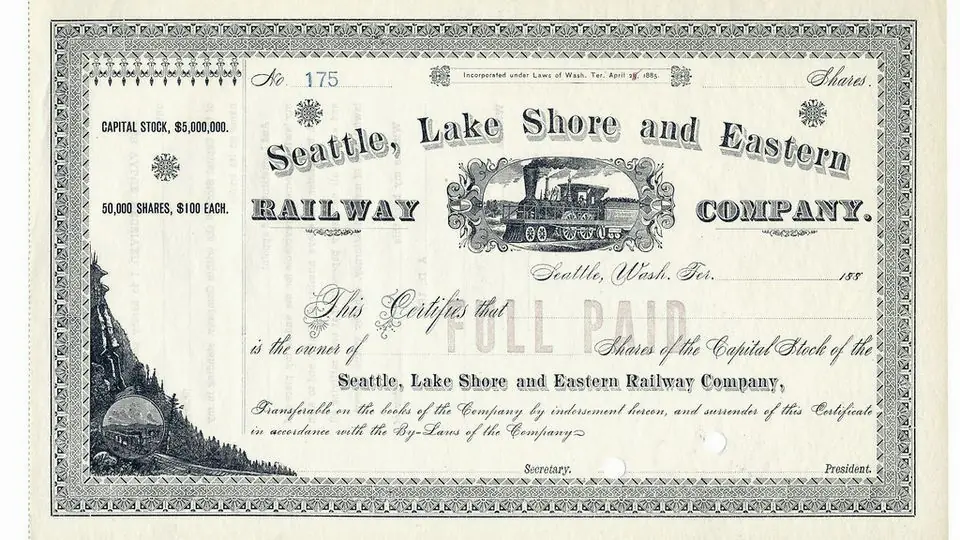
A share makes you a part-owner of a business. Here is what that ownership includes, what it does not, and why prices move both ways.
Bonds & Cash
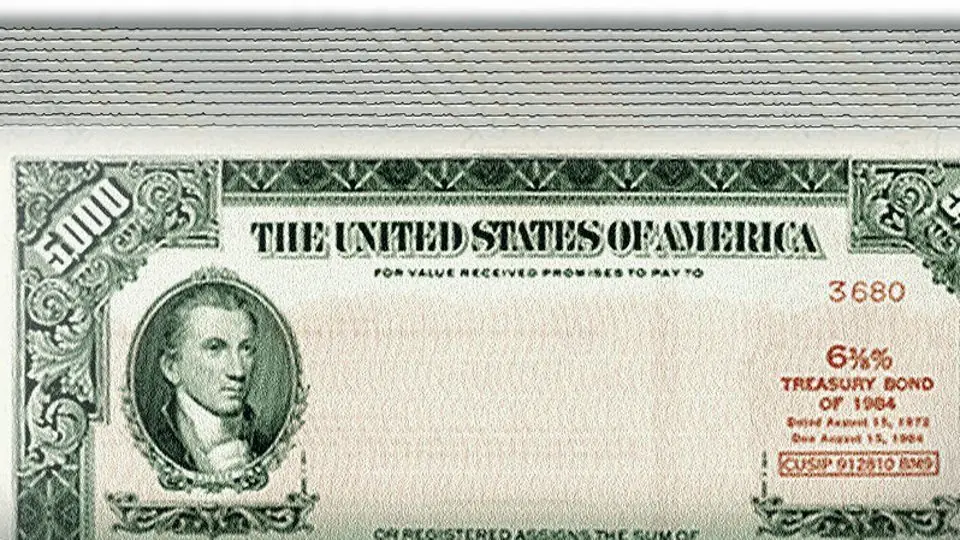
Buying a bond means lending money on written terms. Here are the five words that describe every bond, a worked example of the cash it pays, and what can go wrong.
Funds & ETFs
One purchase can give you a slice of hundreds of stocks or bonds. Here is how a mutual fund is priced once a day, why the same fund comes in different share classes, and what a load is.
Funds & ETFs
An exchange-traded fund holds a basket of investments like a mutual fund but trades like a stock. Here is how shares come into existence, how you buy them, and the small costs that come with trading.
Funds & ETFs
Instead of trying to pick winners, an index fund tries to copy a list. Here is how that list is built, why the fund never matches it perfectly, and what risks remain.
Stage 3 of 5
Where prices come from and what moves them.
Stocks
Most of the time you are not buying from the company at all. You are buying from another investor, through a broker, at a price set by the bid and the ask.
Markets & Economy
The order type you choose decides what you control: whether the trade happens, or the price it happens at. Here is how the four basic orders work.
Markets & Economy
"The market" in the news is usually an index. Here is what an index measures, and why the way it is weighted changes what it tells you.
Markets & Economy
Rate decisions move markets because they change what future money is worth today. Here is the chain from the Fed's meeting room to a share price — without any forecast.

Markets & Economy
Prices swing every day. Here is how to measure those swings, what happens when they get extreme, and why a calm plan matters more than a forecast.
Stage 4 of 5
Matching risk to goals and keeping costs down.

Portfolio Building
Two questions sit under every investing plan: how long until you need the money, and how much of a drop you can live with. Here is how to think about both.
Portfolio Building
The split between stocks, bonds and cash shapes how bumpy your portfolio feels. Here is how that split works, why it matters, and how people decide on one.

Portfolio Building
Spreading your money lowers the damage any single company or category can do. It does not stop the whole market from falling. Here is the difference, with numbers.

Funds & ETFs
A fund's fees are quoted in fractions of a percent, so they look tiny. Over decades they compound like returns do — just in the wrong direction. Here is every fee to look for and what it can cost.

Portfolio Building
Markets quietly change your mix of stocks and bonds. Rebalancing is how you put it back. Here is what drift looks like in numbers and the ways people correct it.
Stage 5 of 5
Checking who you deal with and recognising fraud.

Investor Protection
Two free government-linked databases show whether someone is registered and what is on their record. Checking takes a few minutes and is the first defence against investment fraud.

Investor Protection
Most investment frauds reuse a handful of patterns. Learn the five you are most likely to meet and the warning signs regulators keep repeating.

Investor Protection
SIPC steps in when a US brokerage firm fails and customer assets are missing. It is not insurance against falling prices, and it works differently from FDIC deposit insurance.

Investor Protection
Investment advisers and brokers both have to act in your best interest in the US, but the duties are built differently. Knowing which one you are dealing with tells you what to ask.