
Markets & Economy
What is a stock market index?
"The market" in the news is usually an index. Here is what an index measures, and why the way it is weighted changes what it tells you.
Independent investing education · No ads · No affiliate links · Not financial advice
This section explains the big forces behind market headlines. When a news report says "the market fell 2%," it is usually talking about a stock market index — a basket of companies measured as one number.
Markets & Economy
"The market" in the news is usually an index. Here is what an index measures, and why the way it is weighted changes what it tells you.
Markets & Economy
Markets & Economy
Markets & Economy
7 min read
7 min read
7 min read
6 published
Markets & Economy
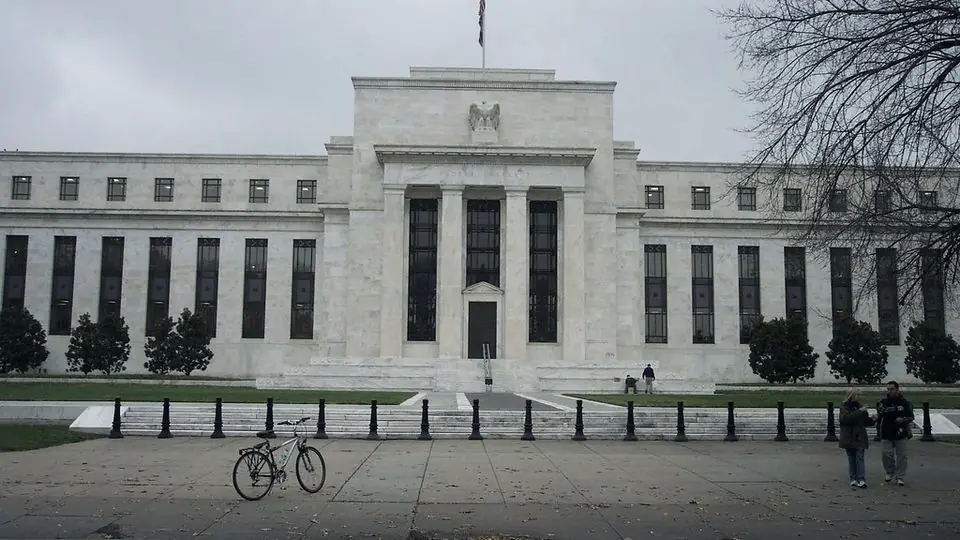
Rate decisions move markets because they change what future money is worth today. Here is the chain from the Fed's meeting room to a share price — without any forecast.
Markets & Economy
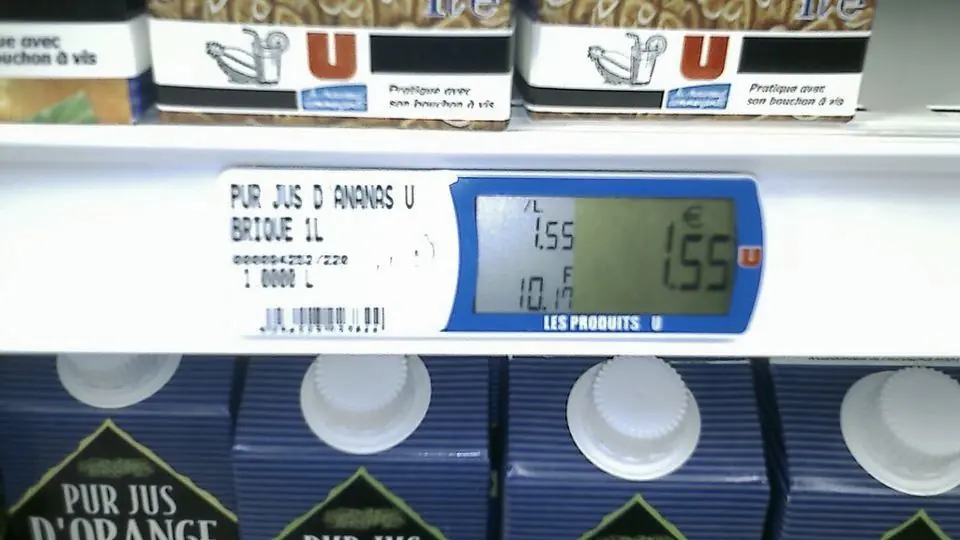
Inflation quietly changes what your money can buy. Here is how the official US measure is built, how to read it, and why investors care about "real" returns.

Markets & Economy
Two animal labels for the market's long swings. Here is what they mean, how the numbers work, and why the labels are only clear in hindsight.

Markets & Economy
Prices swing every day. Here is how to measure those swings, what happens when they get extreme, and why a calm plan matters more than a forecast.
Markets & Economy
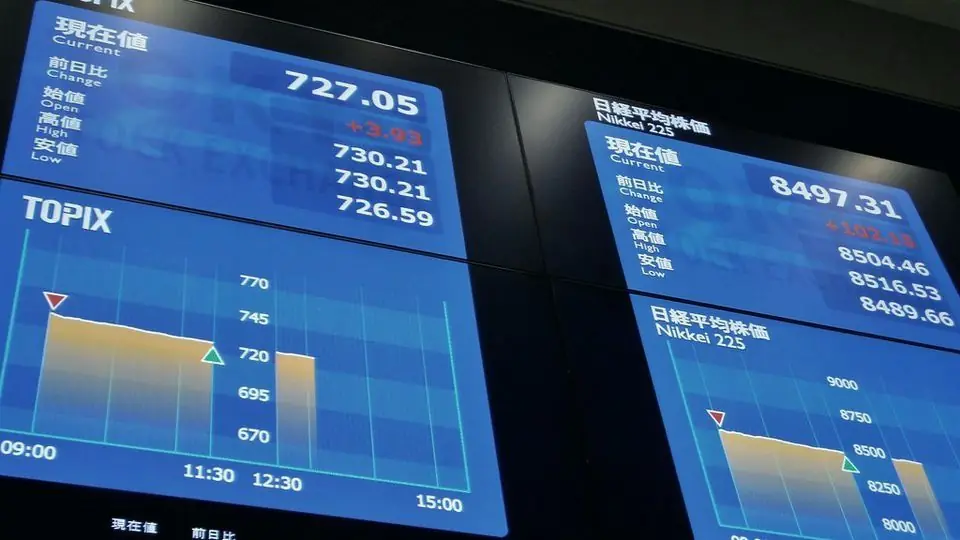
The order type you choose decides what you control: whether the trade happens, or the price it happens at. Here is how the four basic orders work.
This section explains the big forces behind market headlines. When a news report says "the market fell 2%," it is usually talking about a stock market index — a basket of companies measured as one number. When it says rates went up, it means the cost of borrowing changed, which affects how much investors are willing to pay today for money a company may earn later. Inflation, measured in the US by the Consumer Price Index, describes how fast prices rise and how much a dollar can buy over time. Each guide defines its terms the first time they appear and works through the numbers step by step.
We do not predict where markets will go next, and nothing here is a recommendation to buy or sell. The goal is to help you read the news calmly and understand what is actually being measured. If you are brand new, start with what an index is, then how interest rates and inflation connect to stock prices. When you are ready to place a trade, read the guide to market and limit orders first, because the order type you choose decides the price you may get. Where a guide uses a figure or a rule, it links to the official source — the SEC's Investor.gov, the Federal Reserve or the Bureau of Labor Statistics — so you can check it yourself.