Bonds & Cash
What is a bond?
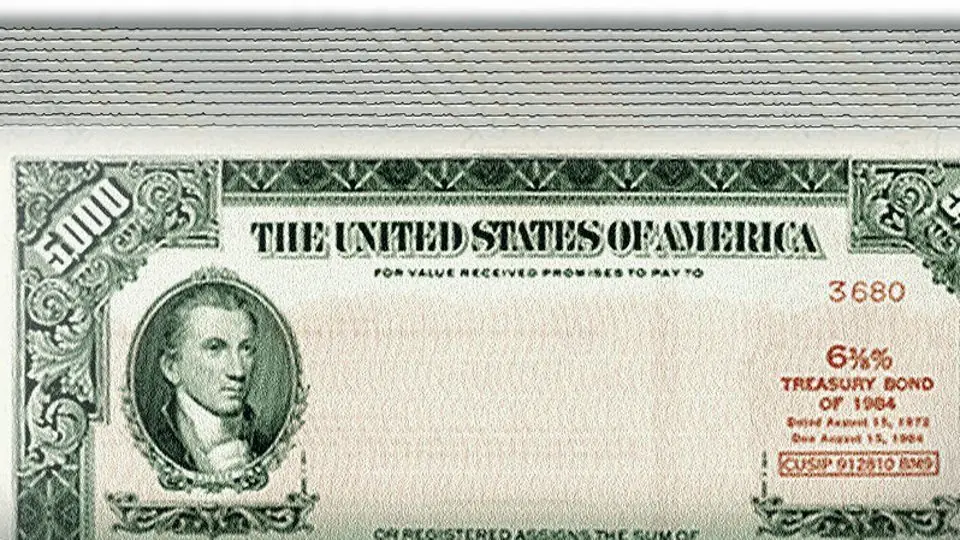
Buying a bond means lending money on written terms. Here are the five words that describe every bond, a worked example of the cash it pays, and what can go wrong.
Independent investing education · No ads · No affiliate links · Not financial advice
When you buy a bond, you lend money. The borrower — a company, a city or a national government — agrees to pay you interest along the way and to return the amount it borrowed on a set date.
Bonds & Cash
Buying a bond means lending money on written terms. Here are the five words that describe every bond, a worked example of the cash it pays, and what can go wrong.
5 published

Bonds & Cash
An old bond's coupon is fixed. When new bonds pay more, the old one has to get cheaper to compete. Here is the mechanism, the math and the one number — duration — that sizes the effect.
Bonds & Cash
All three are loans to the US government. The difference is how long you lend for and how you are paid. Here are TreasuryDirect's own terms, checked on 2026-10-03.
Bonds & Cash
One bond can show three different percentages. They answer three different questions. Here is what each one measures and how to calculate it.
Bonds & Cash
Both are issued by the US Treasury and both are tied to the Consumer Price Index. One adjusts its principal; the other adjusts its interest rate. Rules below were checked on TreasuryDirect on 2026-10-03.
When you buy a bond, you lend money. The borrower — a company, a city or a national government — agrees to pay you interest along the way and to return the amount it borrowed on a set date. That makes bonds feel simpler than stocks, and in some ways they are: the cash flows are written down in advance. But a bond can still lose value. Its price moves when interest rates change, the borrower can fail to pay, and inflation can quietly shrink what your interest buys.
This section starts from zero. First, see what a bond is and the five words you will meet on every bond: issuer, coupon, maturity, face value and credit risk. Then learn why bond prices fall when rates rise and how to tell a coupon rate from a yield. Finally, look at the bonds the US government sells directly to the public: Treasury bills, notes and bonds, plus TIPS and I bonds, which adjust for inflation. Every guide uses worked examples calculated in code and cites official sources such as Investor.gov and TreasuryDirect. Nothing here is a recommendation to buy or sell any bond.